
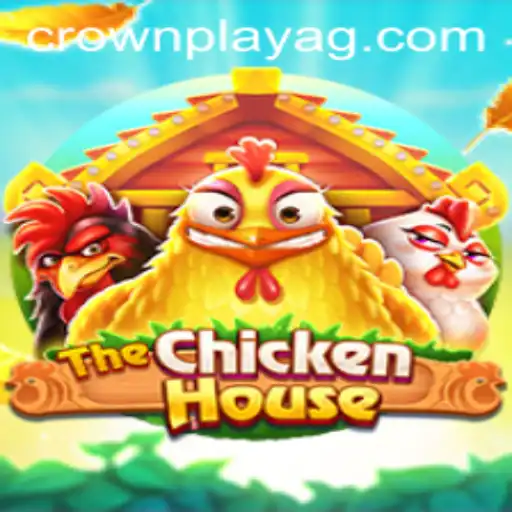
The Exciting World of TheChickenHouse
An Introduction to TheChickenHouse
The gaming universe continues to expand, introducing players to unique and captivating experiences. One standout title that has garnered attention recently is 'TheChickenHouse.' As the gaming industry evolves, players look for challenging and innovative gameplay, something that TheChickenHouse promises to deliver. Integrating strategic elements with engaging gameplay, this game positions itself as a must-play in the gaming community.
The game, intriguingly named after a structure many might associate with simplicity, hosts complex strategic operations beneath its seemingly humble premise. TheChickenHouse thrives on creativity, requiring players to think several steps ahead, much like in classic games of strategy. Its rising popularity can be attributed to both its engaging gameplay and the innovative concepts that it introduces to players worldwide.
Understanding the Game Dynamics
The exciting premise of TheChickenHouse centers around managing a chicken farm. However, unlike any ordinary farm game, this one is sprinkled with layers of challenges, requiring players to use their wits and strategies. Players must manage resources efficiently, ensuring that their chickens thrive while also expanding their influence within the game world. The game's setting is a picturesque farm, inviting players into a serene yet challenging environment.
The game begins by assigning players the responsibility of a small farm. With limited initial resources, the primary task is to nurture and expand the farm, transforming it into a thriving hub of activity. Players are responsible for feeding chickens, collecting eggs, and selling them at the market. However, the deeper strategic elements make the game truly fascinating.
The Role of Strategy in TheChickenHouse
At the core of TheChickenHouse is its emphasis on strategic planning. Players are encouraged to analyze their chosen paths carefully, taking into account multiple external factors that can impact their progress. Much like in real-world agriculture, factors such as weather, resource availability, and market fluctuations profoundly affect gameplay. The addition of these variables creates a realistic and immersive experience.
For instance, players must decide which investments to make—whether to expand their land, invest in advanced farming technologies, or diversify their chicken breeds. Each decision has a set of consequences that can lead to different outcomes. Effective planning, resource management, and adaptability to changing conditions play a crucial role in ensuring success.
The Rules of Engagement in TheChickenHouse
Understanding the rules of TheChickenHouse is imperative for players seeking to master the game. The rules are structured to offer balanced gameplay, where strategic thinking is rewarded. Here’s an overview of the key mechanics:
- Resource Management: Players have a finite amount of resources available. Wisely allocating these resources is crucial to maintaining and expanding the farm.
- Time Management: As in many real-life scenarios, time is a valuable resource. Players must balance short-term tasks with long-term goals, plotting efficient schedules to maximize productivity.
- Market Interactions: The game features a dynamic market where players can engage in buying and selling activities. Market prices fluctuate based on demand and external events, which players can utilize to their advantage.
- Environmental Factors: The game’s environment is subject to change, influenced by weather patterns and seasonal cycles. Players must adapt their strategies to these changes, ensuring the survival and prosperity of their farm.
- Competition and Collaboration: The game encourages both competitive and cooperative play. Players can join forces with others to overcome challenges or engage in friendly competition to scout the best farming strategies.
Current Events Impacting TheChickenHouse
Recent developments in the gaming industry have significantly influenced TheChickenHouse, shaping its evolution and the experiences of its players. The rise of blockchain technology has provided a new dimension to gaming, introducing the concept of in-game asset ownership. Players can now possess, trade, and even transform assets in the game using emerging platforms, creating an ecosystem where player actions bear potential real-world rewards.
Moreover, the global trend towards sustainable and environmentally-conscious practices has seeped into game design. TheChickenHouse embraces these ideas, offering players ways to implement eco-friendly strategies within the game, from sustainable farming practices to renewable energy solutions. This trend resonates with the gamer community, which is increasingly aware of environmental issues.
The integration of these contemporary themes not only enriches the gaming experience but also aligns TheChickenHouse with modern values, attracting a diverse player base. Furthermore, the game’s developers have regularly updated the game with seasonal events and challenges, keeping the content fresh and engaging for its audience.
Conclusion
TheChickenHouse stands out as a premier example of strategic gaming innovation, merging traditional farming simulation elements with modern strategic gameplay. Its balance of resource management, market interaction, and adaptability to environmental factors ensures a deeply engaging experience. The ongoing integration of current trends and technologies further cements TheChickenHouse’s position in the gaming landscape as an exciting and forward-thinking title.